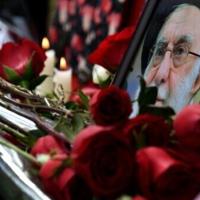
Khamenei's Final Resting Place: A Return to the Holy City of Mashhad
The passing of any nation's supreme leader marks a pivotal moment, and for Iran, the announced burial of Ayatollah Ali Khamenei in the holy city of Mashhad carries profound significance. Having led the Islamic Republic for 36 years, Khamenei's eventual interment in his ancestral hometown, and specifically near the revered Imam Reza shrine where his father rests, is a decision steeped in both personal history and immense religious symbolism. This choice transcends mere logistics, offering a powerful statement about his legacy, the spiritual heart of Iran, and the enduring connections between leadership, faith, and family.
The news that Khamenei will be buried in Mashhad, as reported by Iranian media, signals a homecoming in the truest sense. While the specific date remains undisclosed, the location itself speaks volumes. It connects the late leader not just to his earthly origins but to a spiritual lineage that underpins the very foundation of Shia Islam. This article delves into the multi-layered importance of Mashhad as Khamenei's chosen final resting place, exploring its religious gravity, personal relevance, and the political implications of such a monumental decision.
Mashhad: A Beacon of Shi'ism and a City of Personal Roots
Mashhad, the second-largest city in Iran, holds an unparalleled position in the spiritual landscape of Shia Islam. Its very name, meaning "place of martyrdom," signifies its profound connection to the Imam Reza shrine, the resting place of Imam Ali al-Rida, the eighth Shia Imam. Millions of pilgrims from across Iran and the broader Shia world flock to this sacred site annually, seeking spiritual solace, healing, and connection to one of their most revered figures. The city pulses with an energy born of centuries of devotion, making it not just a geographical location but a spiritual nexus.
For Ayatollah Ali Khamenei, Mashhad was more than just a holy city; it was his birthplace and the cradle of his early life and religious education. Born into a prominent clerical family, his formative years were spent amidst the intellectual and spiritual vibrancy of this ancient city. His father, Ayatollah Seyyed Javad Khamenei, a respected cleric himself, is also buried within the holy precinct of the Imam Reza shrine. This familial connection elevates Mashhad beyond a mere pilgrimage site for Khamenei; it represents a deep-seated personal history and an unbreakable bond with his lineage. To be interred in Mashhad, therefore, is a profound return to his roots, a spiritual and familial homecoming that reinforces his identity as a native son of Khorasan. The choice solidifies the interwoven fabric of his personal narrative with the collective spiritual journey of the Shia faithful, making the decision to have `khamenei buried mashhad` resonate on multiple levels.
The Deep Significance of a Sacred Burial
The decision to inter Ayatollah Ali Khamenei in Mashhad, specifically in proximity to the Imam Reza shrine, is replete with layers of profound significance – personal, religious, and political. From a personal standpoint, it marks a poignant return for a leader who, despite guiding the nation from Tehran for decades, maintained an intrinsic connection to his hometown. This choice underscores his identity as a Mashhadi, ensuring his legacy is forever intertwined with the city that shaped him. The fact that his own father is buried there further deepens this bond, establishing a continuation of family tradition and reverence within the sacred grounds. It is a powerful affirmation of his spiritual and familial heritage, a final act of devotion to his origins.
Religiously, being buried near an Imam's shrine is considered an immense honor and a source of spiritual blessing in Shia Islam. This concept, known as 'jawār' (proximity), is believed to confer immense spiritual benefits upon the deceased and their family. Pilgrims often choose to be buried in cemeteries around these shrines, believing it grants them a special place in the afterlife and the intercession of the Imam. For a Supreme Leader, this choice elevates his posthumous status, linking his spiritual journey directly to that of Imam Reza. It solidifies his religious legitimacy and portrays him as a devout servant returning to the embrace of a holy Imam. This alignment is critical in a theological state where spiritual authority is paramount.
Politically, the burial of `khamenei buried mashhad` sends a strong message both domestically and internationally. It reinforces the spiritual foundations of the Islamic Republic, connecting the supreme leadership directly to one of the most revered figures in Shia Islam. This move can be seen as an attempt to consolidate public support, drawing on the deep religious sentiments of the Iranian populace. By choosing Mashhad, a city that embodies the spiritual heart of Iran, Khamenei's legacy becomes inextricably linked to the very essence of national religious identity. It highlights the enduring power of faith in Iranian political life and underscores the regime's deep roots in religious tradition. This strategic decision helps solidify the continuity of religious authority following his passing.
The Imam Reza Shrine: A Hallowed Resting Place and a Testament to Devotion
The Imam Reza shrine in Mashhad is not merely a mosque; it is a sprawling complex encompassing mausoleums, courtyards, libraries, museums, and seminaries. It is an architectural marvel and a spiritual beacon, drawing millions of pilgrims annually. To be buried within or in close proximity to such a hallowed site represents the ultimate honor for any Shia Muslim, let alone a Supreme Leader. This choice for Khamenei's burial underscores the belief in the sanctity of the shrine and the spiritual grace it bestows.
The shrine serves as a living testament to devotion, with its golden domes and minarets shimmering against the Iranian sky, symbolizing centuries of unwavering faith. The logistics and security surrounding the burial of a figure of Khamenei's stature within such a major pilgrimage site are immense. It will undoubtedly be a moment of national mourning and intense spiritual observance, drawing countless followers to Mashhad. For anyone interested in understanding the depth of this religious significance, articles like
Mashhad: The Religious Significance of Khamenei's Chosen Burial Site offer deeper insights into the spiritual gravity of this location. The selection of this particular resting place emphasizes Khamenei's desire to be forever enshrined within the spiritual core of his faith and his nation.
A Legacy Entwined with Mashhad: Looking Ahead
The announcement that `khamenei buried mashhad` will be his final destination ensures that his legacy will be forever entwined with one of Iran's most sacred and historically significant cities. This decision is not merely about choosing a burial plot; it is about cementing a narrative, defining a posthumous identity, and projecting a powerful message about the enduring spiritual foundations of the Islamic Republic. Unlike Imam Khomeini, who established his mausoleum in Tehran, Khamenei's choice to return to Mashhad highlights a different aspect of leadership – one deeply rooted in regional identity and a profound connection to a revered Imam.
For future generations and political observers, understanding the spiritual geography of Iran, particularly the gravity of places like Mashhad, is crucial for interpreting its political and social landscape. Khamenei's burial there will likely further elevate Mashhad's status, not just as a pilgrimage site but also as a symbolic center of leadership and religious authority. It reinforces the idea that true power in Iran flows from both political mandate and profound spiritual legitimacy. The ripple effects of this decision will be felt for decades, influencing how his life and leadership are remembered and how the spiritual future of Iran is perceived. For more immediate details on the official reports, refer to sources such as
Khamenei to Be Buried in Holy City of Mashhad, Iranian Media Reports. This final act of homecoming serves as a powerful statement, ensuring that Ayatollah Ali Khamenei's name will forever be synonymous with the holy city of Mashhad and the sacred shrine of Imam Reza.
In conclusion, the decision to bury Ayatollah Ali Khamenei in Mashhad, his hometown and the spiritual heart of Iran, is a choice rich with multifaceted meaning. It represents a poignant return to his personal origins, a profound affirmation of his religious identity through proximity to the Imam Reza shrine, and a powerful political statement about the enduring spiritual foundations of the Islamic Republic. This final resting place will not only serve as a site of remembrance but also as a lasting testament to the deep interplay between faith, family, and leadership in Iran.